Oh dear.
For an engine, indicated HP is a calculation of fuel/air burn, engine speed, i.e. A theoretical figure. BHP is what is measured at the dynamometer, or “brake” and will be lower due to internal frictional losses, but is the true figure of what is delivered at the flywheel. Wheel Horsepower is lower again due to power train losses, and is the power applied to the road through the wheels. Clue is in the name. Also not quoted by manufacturers as it doesn’t sound as good As the BHP figure.
1 HP is 1 HP whether it’s HP, IHP, BHP or WHP, the name indicates where it’s measured. The metric equivalent is PS, which is app. 0.986 blah blah HP.
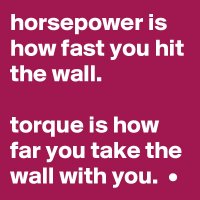
MM, to your point about the 620 BHP truck vs the 700 BHP super car, look at the rpm where peak torque is developed. You could gear the super car engine to generate the same torque at the wheels but the gearing to achieve this would increase losses between the flywheel and road wheel, plus in this day and age the fuel costs might be a crippler. A bit like when Ford, GM and International all brought out competing gas turbine trucks in the sixties. Naff all torque, 100,000+ rpm and huge gear trains that were bigger than the diesel engines they displaced.