
Advice on purchasing a mechanical shovel for a gravel pit

barracane

barracane

Well-known member
Advice on purchasing a mechanical shovel for a gravel pit
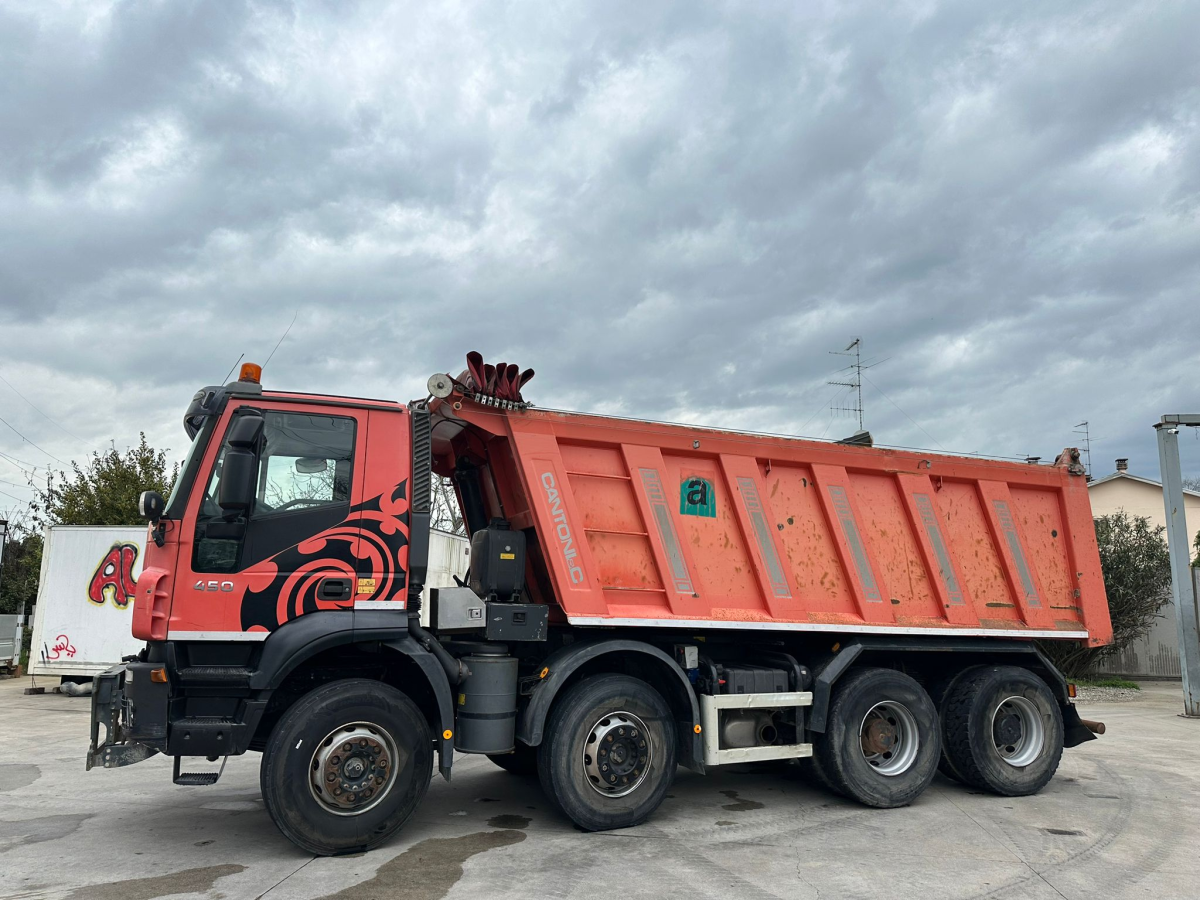
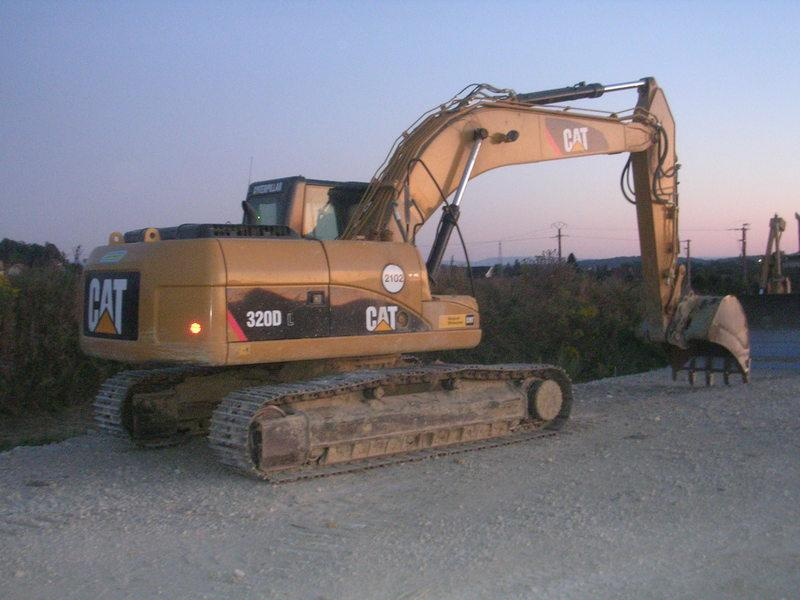
A friend of mine has bought a small hill—a gravel pit—and holds a permit to work it and extract aggregates. He owns a 6-ton Kubota; currently, he uses a Caterpillar 320d

(borrowed from a friend) to extract the material and a 4-axle Iveco Trakker for transport. He wants to buy a wheel loader for this job—what do you recommend? Keep in mind that he is just starting out and there is limited maneuvering space; as the excavator advances into the excavation, it is creating its own access path and maneuvering area, and the excavator operates at a higher elevation than the truck. Any ideas?
1789406100816.png
1789406180552.png
 
barracane

barracane

Well-known member
A local mechanic suggested a Caterpillar 315 CL—it’s a bit banged up but runs well—though it’s a real fuel guzzler. We’re working the quarry using a "dove-breast" method—meaning we’re cutting from the top down, following the natural slope of the ridge to avoid dangerous landslides. What do you think?


1789492378779.png


1789492357848.png


"Dove-breast" grading (or "dove-breast profile") is a land-shaping technique used to stabilize an uneven or unstable hillside by creating a smooth, convex surface; this facilitates rainwater runoff and reduces the risk of erosion and landslides. Performing this operation from the top down, following the slope of the ridge, requires the utmost attention to safety and slope stability.
Excavation phases: To carry out the excavation correctly and safely, a precise sequence of steps must be followed: Layout and staking: Define the ridge line and the side slopes. Mark the excavation limits with stakes to maintain the convex ("dove-breast") curvature. Clearing and stripping: Remove surface vegetation and the topsoil layer. Stockpile the fertile soil for future environmental restoration. Top-down excavation: Always work starting from the top of the hill. This avoids undercutting the base of the slope, preventing sudden collapses of the soil above.

Shaping the curvature: Use an excavator or bulldozer to shape the terrain. The central section along the ridge must be higher, while the sides should slope gently downwards, mimicking the shape of a dove's breast. Compaction: Run compaction rollers over the shaped profile. Compaction reduces immediate water infiltration and increases the soil's mechanical strength. Water management: Dig diversion ditches upslope of the graded area and lateral channels to collect rainwater and divert it in a controlled manner. Golden rules for safety and stability: Never undercut the base of the hill; starting from the bottom would destabilize the entire mass of soil above. Critical slope: Respect the natural angle of repose for the specific soil type (clay, sand, or rock). If the slope is too steep, a "dove-breast" (stepped) profile alone will not suffice, and retaining structures (e.g., gabions or piling) will be required. Weather management: Strictly avoid excavation work during or immediately after heavy rainfall. Water-saturated soil loses load-bearing capacity and is prone to sliding.
Things you already know.

 
Top