861
If you need to dig a trench to place a pipe in a narrow space or in a cellar, you need a compact mini excavator. You need to demolish inside a building with a hydraulic hammer. OK, in the countryside, a friend tells me you need at least a two-ton excavator with a displacement of more than 1000 cc. In the countryside, you need muscle, horsepower, strength as well as speed, versatility, and dexterity. For this reason, we rent a 4-5-ton excavator. You need to lift a boulder. You need to load a dump truck. Do a small excavation. It's the ideal machine with a small one. It's the same as using a hoe or a shovel. It consumes diesel and has poor performance. You need muscle in the countryside. You have to climb a slope, get to a ridge with the small one, even if the tracks widen. If you don't position it well for a moment, you'll tip over. All it takes is for it to lose its balance, and you're masters, am I wrong?
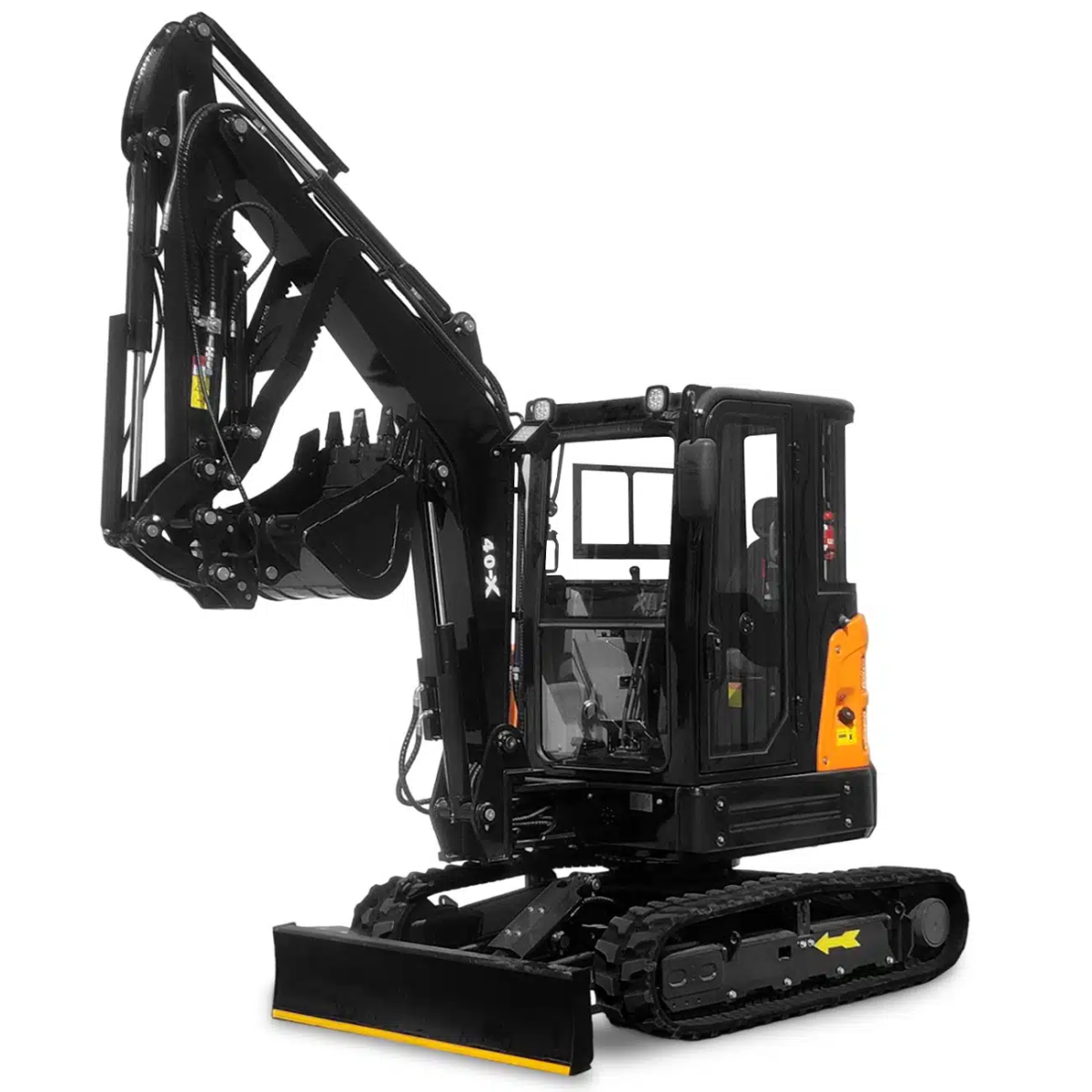
A 3 to 5-ton mini excavator is the right heavy-duty choice for demanding farm jobs like clearing land, digging deep drainage ditches, and building ponds
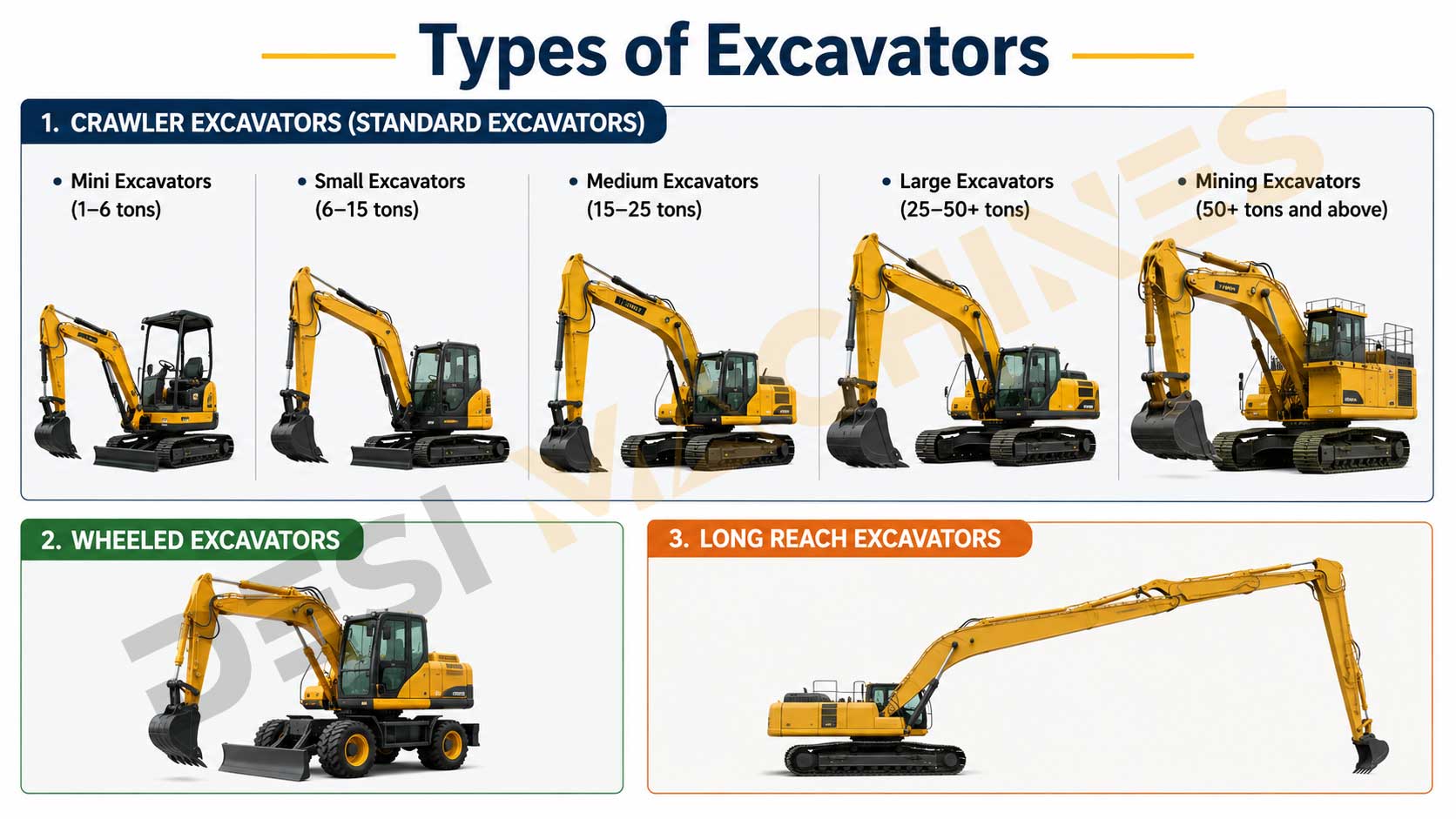
Choosing the Right Size for Heavy Farm Work1 to 2-Ton Class: Best for light tasks, small gardens, and tight gate access, but lacks the breakout force for heavy soil or large stumps.3 to 5-Ton Class: The sweet spot for working farms, offering strong digging force, high lifting capacity, and stability on rough terrain.6 to 10-Ton Class: Ideal for massive earthworks, major commercial drainage, or deep pond construction
Essential Features for AgricultureHydraulic Thumb: Crucial for grabbing logs, rocks, and clearing debris.Retractable Tracks: Allows the machine to squeeze through standard barn doors or narrow gates before expanding for stability.Deep Digging Depth: Look for a machine that reaches at least 8 to 10 feet for proper agricultural trenching
If you'd like, let me know:What specific heavy jobs you plan to do (e.g., clearing thick trees, digging a large pond)The approximate acreage of your farm